


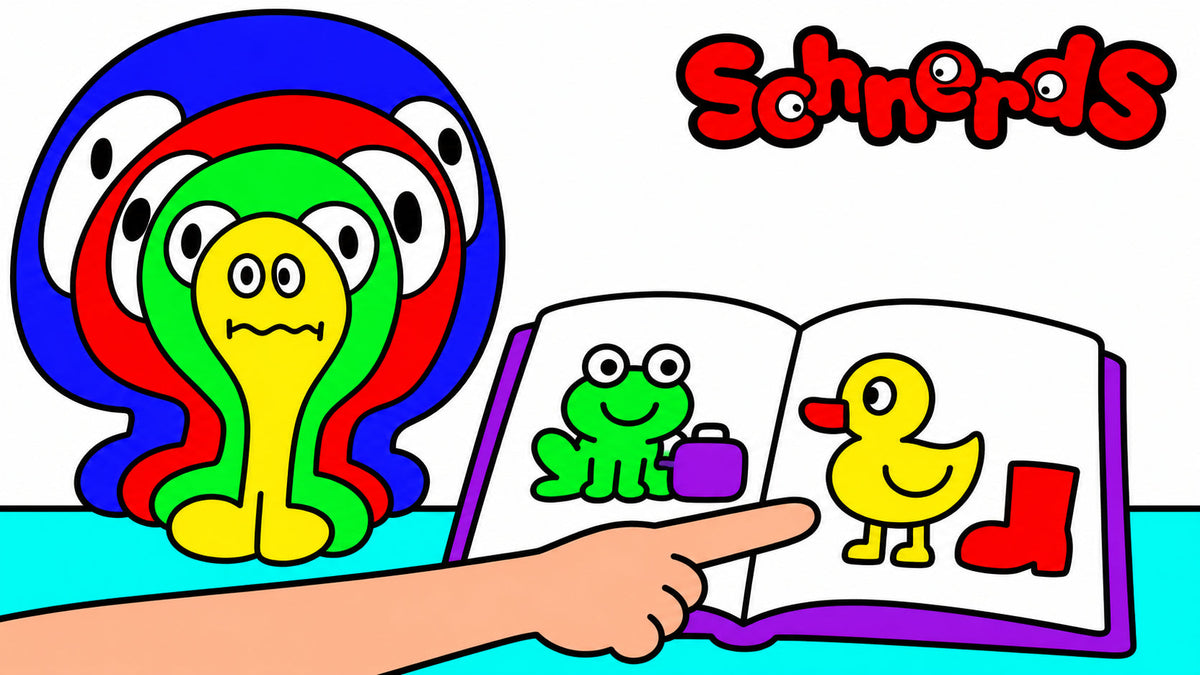
The duck is about to lose his boot. You know it. Your child knows it. You have both witnessed this footwear emergency approximately a zillion times.
“Again,” says your child.
For toddlers and preschoolers, returning to a favorite book is common. Repeated reading gives them more opportunities to understand the story, notice details and join in. This November, when family routines may get busy, the book already beside the bed can be a perfectly good choice.
Why does my child keep choosing the same story?
With a familiar story, your child can recognize what is coming and take another look at how it happens.
The National Association for the Education of Young Children recommends revisiting favorite books because children can build their understanding across several readings.
On one visit, your child might follow the duck. On another, they might spot the tiny frog sitting inside the missing boot. Knowing the ending leaves plenty of room to discover something along the way.
You can ask what they enjoy about this particular book. Perhaps it is the picture, a funny sound or the way you read one line. Their answer might surprise you. It might also be, “The duck.”
Excellent. A clear editorial preference.
How can we enjoy another reading without making it a quiz?
Choose one small invitation, then leave space for the story.
If the book has a familiar repeated phrase, pause before its ending. Your child can supply the words, make a sound or let you continue. NAEYC’s early literacy guidance suggests inviting children to join familiar repeated lines.
Another day, follow something in the pictures. “I just noticed the frog has brought a suitcase.” Wait to see whether your child wants to investigate. You can share a discovery without requiring an answer.
Some children want the reading to stay exactly the same. Keep the beloved duck voice if that is part of the pleasure. There is no requirement to add an activity to every rereading.
What if I am tired of reading it again?
You can welcome the favorite and set an honest limit.
Try, “I can read it once tonight. Would you like to hold the book or sit beside me?”
That gives your child a real choice within the time and energy you have. If they request another round, you can say, “We have finished for tonight. Shall we leave it here for tomorrow?”
You do not owe the duck unlimited performances.
Keep other books available, too. A librarian can help you find stories with whatever your child loves about this one, whether that is water, boots or very small passengers.
How can Nelly join our reading corner?
Give her a paper seat beside the book.
Visit Nelly’s character page and download her free coloring page. Your child can color the sheet and prop it nearby. No cutting is needed.
At the end, ask, “Which picture should we leave open for Nelly?”
Your child chooses a spread. Next time, begin by looking at that picture together before returning to the beginning. If they prefer the book closed, Nelly can wait beside it.
Love and self acceptance are at the heart of Schnerds. That includes showing interest in the things a child chooses, even when we know every duck sound by heart. The herd has space for someone who wants the duck again.
What if we are ready for a new Schnerds story?
Schnerds Seek the Something follows the crew beyond their home planet on a search across the stars. It is currently available to preorder, with shipping listed for November 24, 2026.
You can explore that adventure when your family wants something new. Tonight, the favorite might still win.
Open the book. There is a boot situation to attend to.


