

Neurodivergent-affirming gets used a lot right now, on toys, on books, on therapy practices. It's worth being specific about what it actually means, because the phrase is easy to slap on a package and much harder to build into a product.
It's not about being educational
A lot of products marketed this way are really just standard educational toys with a new label. Affirming is a different bar. It means the thing doesn't ask a kid to be fixed, calmed down, or made more typical in order to be lovable. It starts from the idea that a kid's brain works the way it works, and that's the starting point, not the problem to solve.
What that looks like in practice
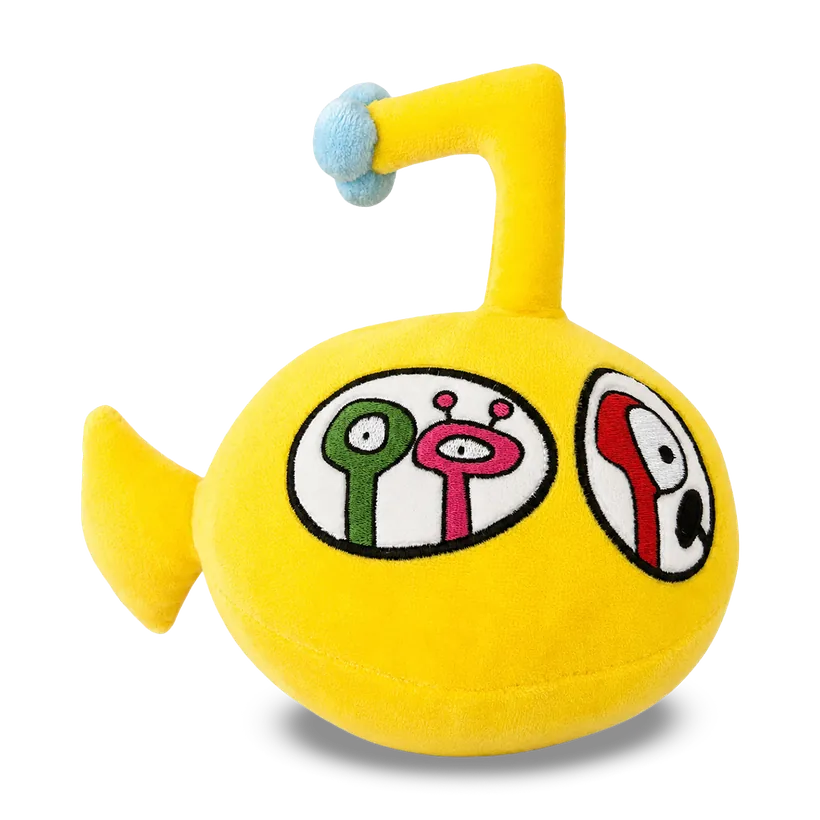
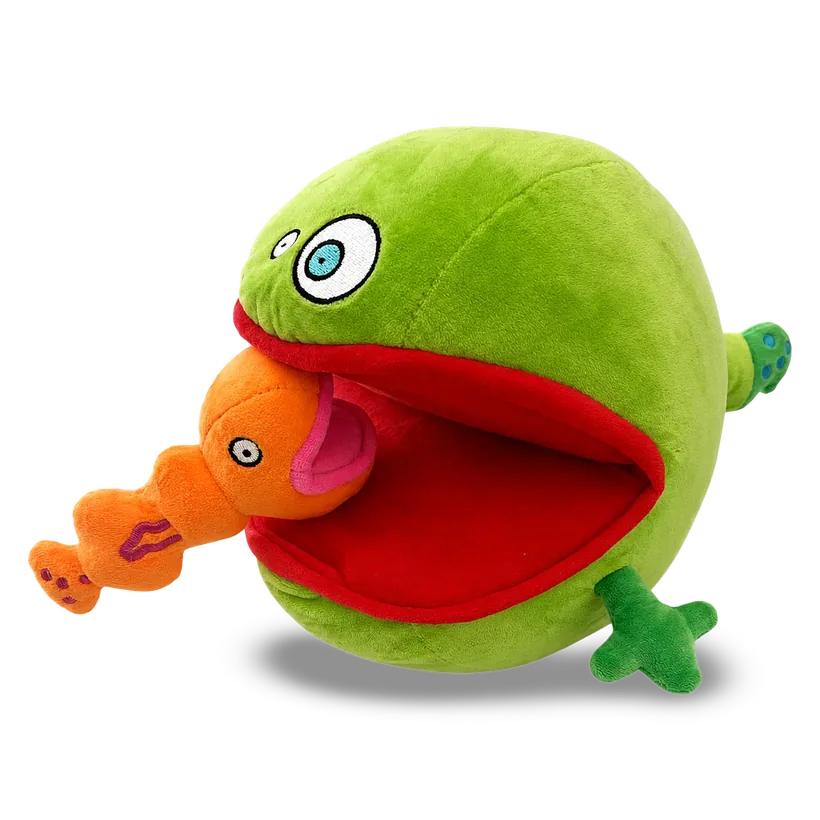
For Schnerds, it meant designing characters who are visibly, permanently a little off, extra eyes, mismatched limbs, four heads, and writing them as fully likable exactly as they are. Nobody gets cured by the end of the story. Darlene doesn't stop being neurodivergent so the plot can resolve. She just gets a character around her who understands her, which is closer to what actually helps.
Why the distinction matters to a parent
Kids are perceptive about subtext. A toy that quietly frames a trait as something to grow out of teaches that lesson whether it means to or not. A toy that treats the same trait as just part of who a character is teaches a different lesson, just as quietly.
The honest caveat
No single toy does this work on its own. It's one input among many, alongside how the adults around a kid actually talk about difference day to day. The toy can open the door. It can't walk through it alone.