


Social-emotional learning, or SEL, is the process of learning to name a feeling, manage it, and understand how it affects the people around you.
The five pieces most SEL programs focus on
Most school-based SEL frameworks break the skill down into a handful of parts: knowing what you feel, managing that feeling once you know it, understanding what someone else might be feeling, handling relationships without steamrolling anyone, and making decisions that aren't just reactions. None of these are things kids are born knowing. They're taught the same way reading is taught, through repetition, modeling, and a lot of patient correction.
Why story helps more than a worksheet
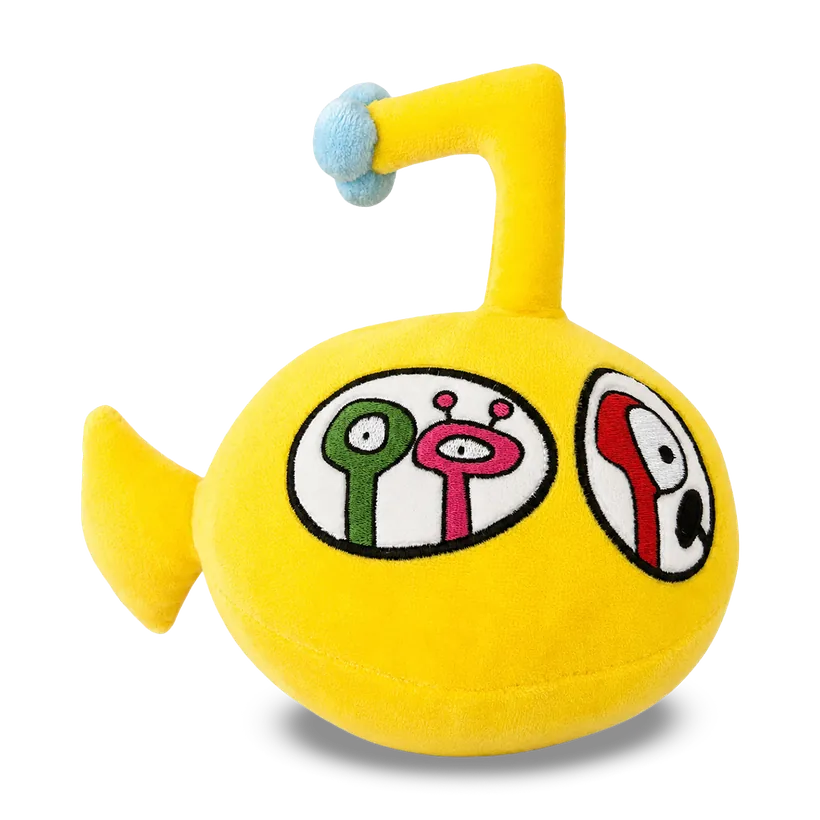
Kids learn feelings vocabulary faster from a character they already like than from a chart on the wall. That's the whole idea behind Schnerds: nine characters, each one built around a specific feeling or habit a kid might not have language for yet, from Juniper's sensory overload to Hobart's sugar habit. A worksheet asks a kid to identify feelings in the abstract. A story hands them a character who's already going through it, so the feeling has a face before it needs a name.
What this looks like at home
You don't need a curriculum to start. Naming your own feelings out loud in front of your kid does more than most people realize. Saying I'm feeling really overwhelmed right now, I need a minute teaches the skill by demonstration, which is how most of this actually sticks.