
Ask a kid how they feel and you'll usually get one of three answers: fine, mad, or nothing. Not because that's all they feel, but because that's all the vocabulary most kids have on hand by age six or seven. A feelings wheel exists to close that gap.
How it actually works
A feelings wheel starts with a handful of core feelings in the center, mad, sad, glad, scared, and branches out into more specific words the further out you go. Mad branches into frustrated, jealous, and left out. Sad branches into disappointed, lonely, and embarrassed. The idea isn't to memorize the wheel. It's to give a kid a menu to point at when fine clearly isn't the whole story.
Why the specific word matters
I'm mad and I'm left out call for two completely different responses from a parent. One might need space, the other might need to be included in something. Naming the more specific feeling isn't just more accurate, it usually points straight at what would actually help.
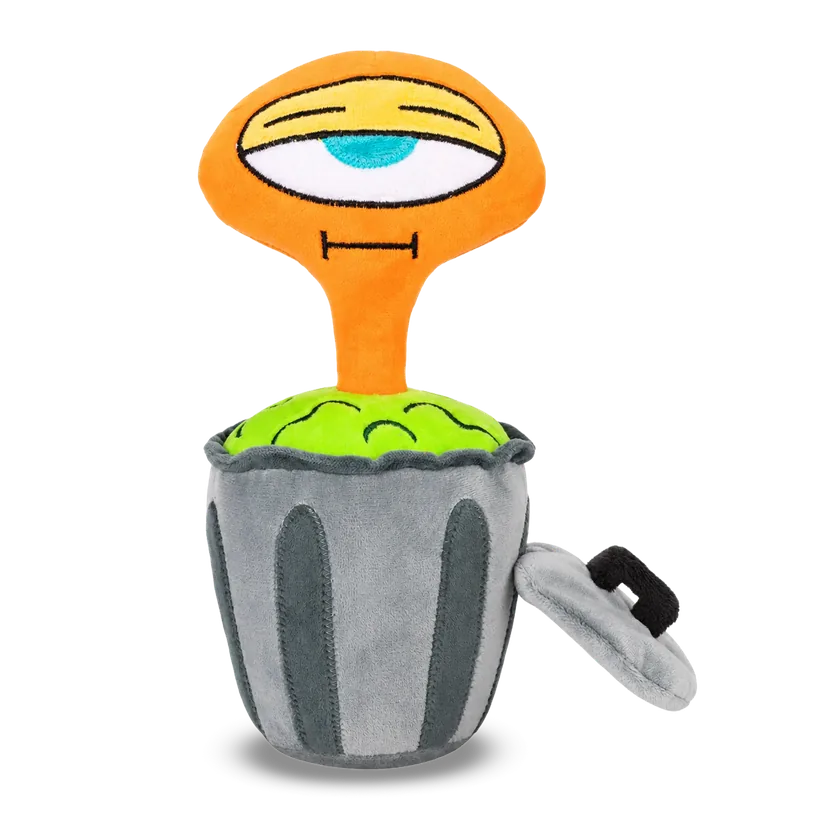
Darlene, one of the Schnerds characters, has a running refrain through her whole story: I am a Schnerd, and that is all that I am. It's a simple anchor line for a hard day, the kind of phrase a kid can borrow when their own words haven't caught up yet.
Making it a habit, not a worksheet
The wheel works best as a quick daily check-in, not a big sit-down lesson. At dinner, in the car, before bed. Thirty seconds of where are you on the wheel today does more over a year than one long conversation ever will.