


Some kids are harder on themselves by age six than most adults are on their own worst enemy. A missed goal in a soccer game, a wrong answer in class, a drawing that didn't come out right, and suddenly they're calling themselves stupid or bad at everything.
Where this usually comes from
Kids absorb the tone adults use around mistakes, including the tone adults use about their own mistakes. A parent who narrates their own errors harshly, ugh, I'm so stupid, I forgot again, is teaching a script, even without meaning to. The good news is the same mechanism works in reverse.
Self-compassion isn't the same as low standards
A common worry is that being gentle with a kid's mistakes will make them stop trying. Self-compassion research generally points the other way: kids who can be kind to themselves after a setback tend to try again faster than kids who spiral into self-criticism, because the setback doesn't cost them their whole sense of self-worth.
A character built entirely around this
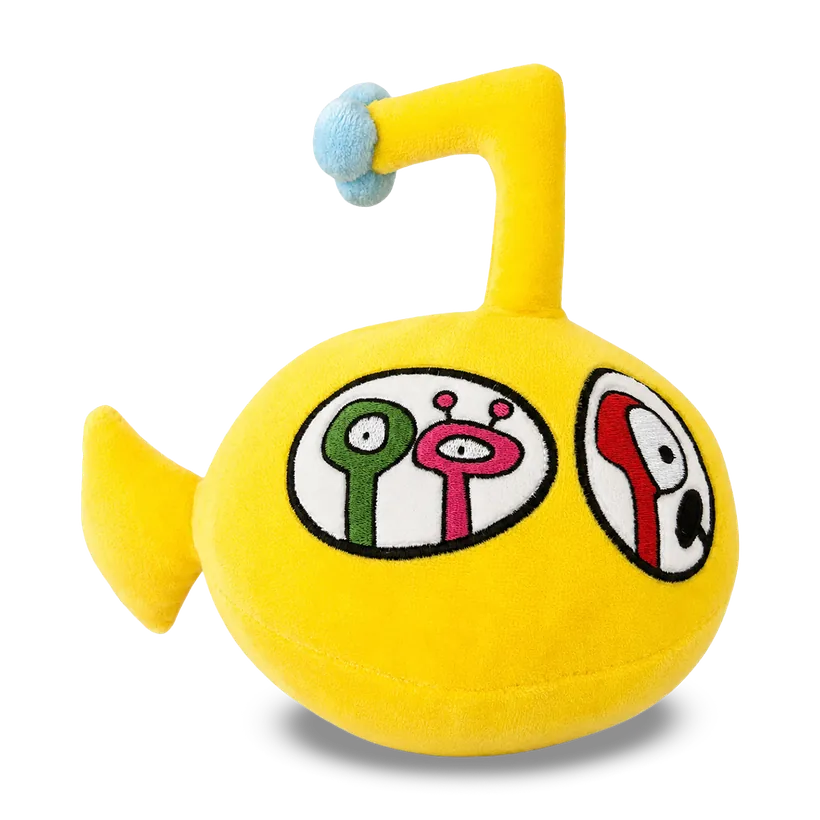
One Schnerds character exists specifically to carry this message, reminding the rest of the herd that kindness starts at home, with yourself first. It's a simple idea to say and a genuinely hard one to model consistently, which is exactly why it needs repeating.
A script worth trying
That didn't go the way you wanted. What would you say to a friend who made the same mistake? Kids are almost always kinder to a hypothetical friend than to themselves. That gap is usually where the real conversation starts.