

A kid melting down in a loud cafeteria isn't always about the cafeteria. Sometimes it's about everything at once, the noise, the lights, the smell of food, forty other kids' chairs scraping the floor, and a nervous system that's already run out of room to absorb it.
What sensory overload actually is
Every brain filters out most of the sensory input around it automatically, the hum of a refrigerator, the feeling of a shirt tag, background chatter. Some kids' filters let more through than others, so ordinary environments can feel like standing too close to a speaker. That's not a discipline problem. It's a nervous system doing its best with more input than it can process.
What it looks like from the outside
It rarely looks like I'm overwhelmed. More often it looks like covering ears, shutting down, snapping at a sibling over nothing, or suddenly needing to leave a room with no clear explanation why. The behavior is the signal. The overload is the cause.
A story kids can recognize themselves in
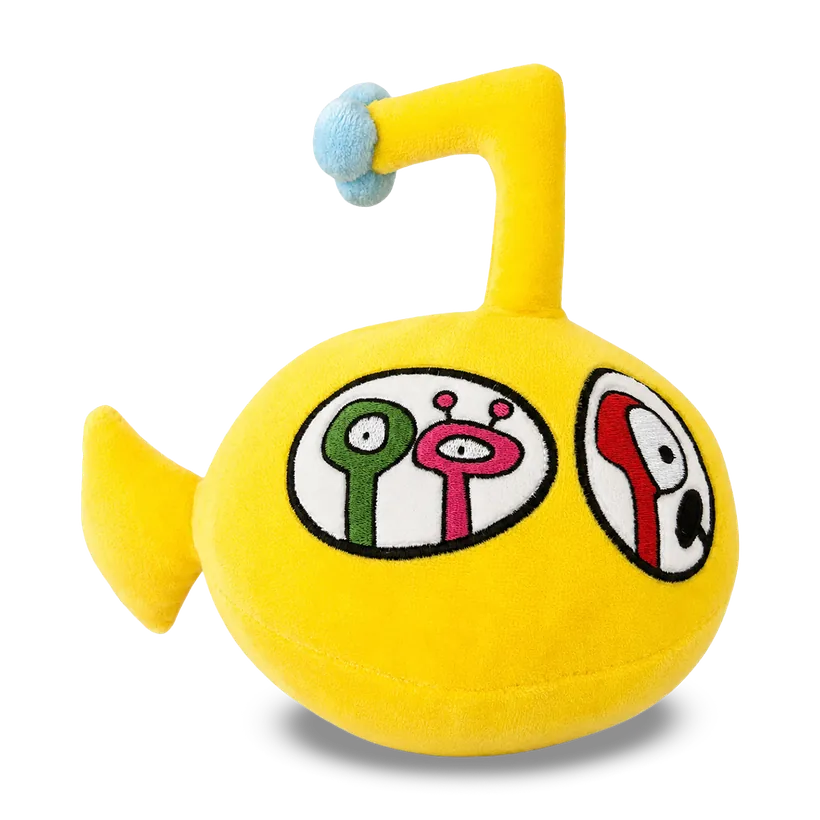
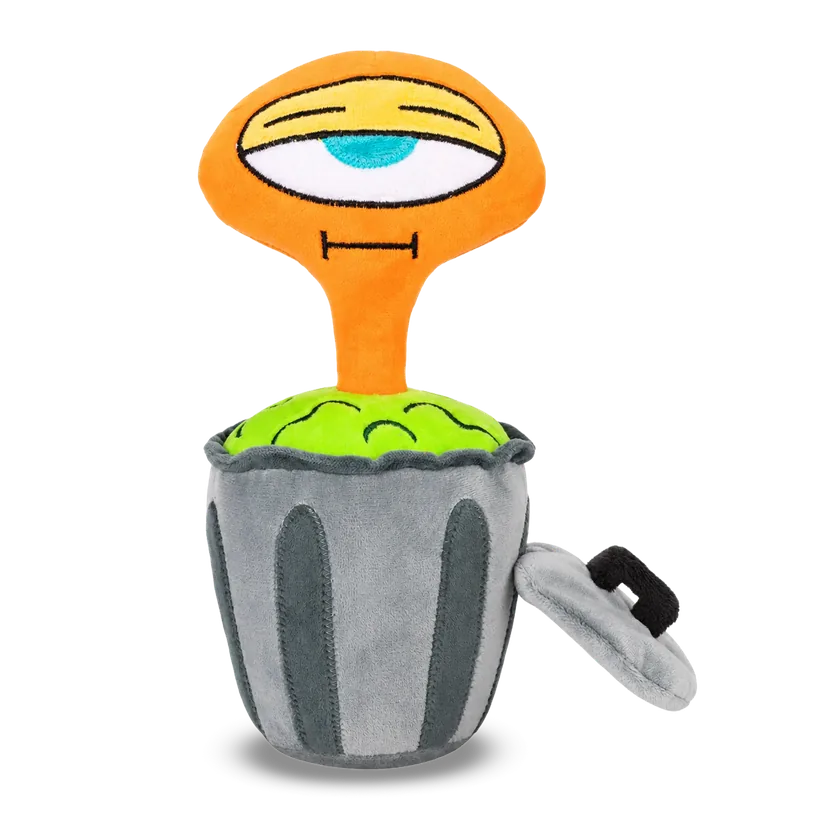
Juniper, one of the Schnerds characters, has a video built entirely around this exact moment, a loud new lunchroom, and the process of finding her own social thermometer before she finds her table. It's not a fix. It's a mirror, which for a lot of kids is the first step toward being able to say this is too much instead of just acting it out.
What actually helps in the moment
Fewer questions, more space. A quiet corner, noise-reducing headphones, or just permission to step outside for two minutes usually does more than a five-minute conversation about what's wrong.