

Don't be angry is one of the most common things adults say to angry kids, and one of the least effective. Anger isn't optional. It shows up whether it's welcome or not. The actual skill to teach isn't suppressing it, it's what to do once it's there.
Two different things, often confused
The feeling and the behavior are not the same thing. Being angry is allowed. Throwing a toy at a sibling is not. Conflating the two teaches a kid that the feeling itself is the problem, which usually just pushes it underground instead of teaching them what to actually do with it.
Anger is often a cover feeling
A lot of childhood anger is standing in for something else, embarrassment, fear, feeling unheard. A kid who's furious about losing a board game is sometimes really upset about feeling incapable in front of a sibling. Naming the feeling underneath the anger, gently and without a lecture, often does more than addressing the outburst directly.
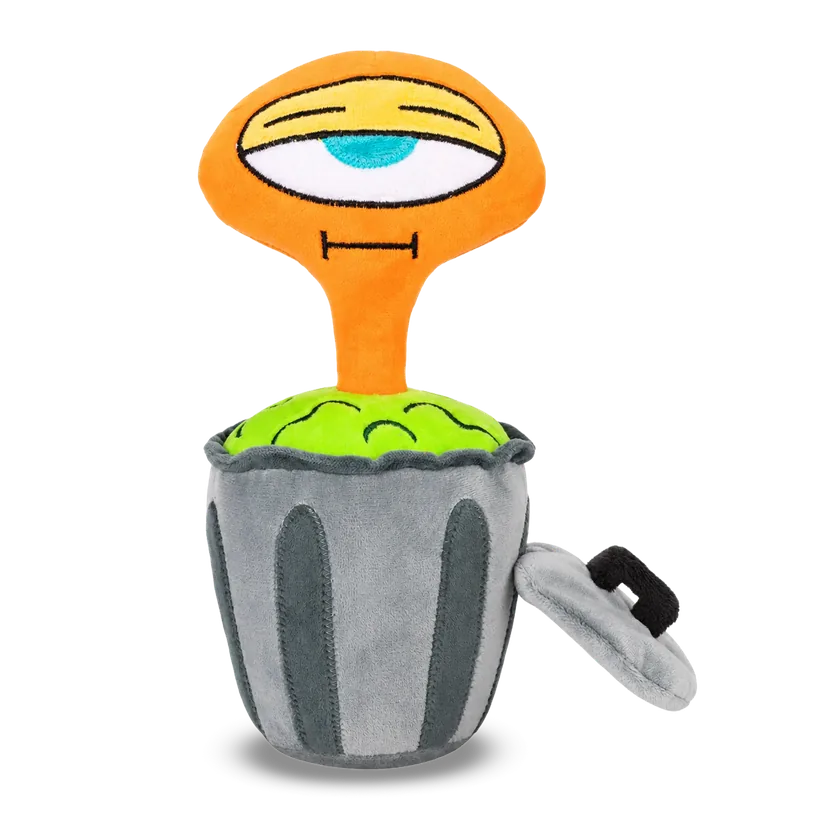
One Schnerds character, Aarg, is written as furious at everything, burnt toast, pop quizzes, losing at video games, with a quieter story underneath about not feeling safe at home. The anger is real. It's also not really about the toast.
What actually helps in the moment
Naming it without judgment, you're really angry right now, calms a nervous system faster than a request to calm down does. The correction about behavior can come after, once the feeling has somewhere to go.